
How These Walls Hold Back Soil and Protect Your Property
Understanding the basics of retaining wall installation starts with one simple idea: these walls hold back soil and keep it from sliding. They are built to manage height changes in a yard and reduce erosion. A well-built wall adds support, improves drainage, and helps protect your home and landscape. When done right, it can last for many years with minimal upkeep.
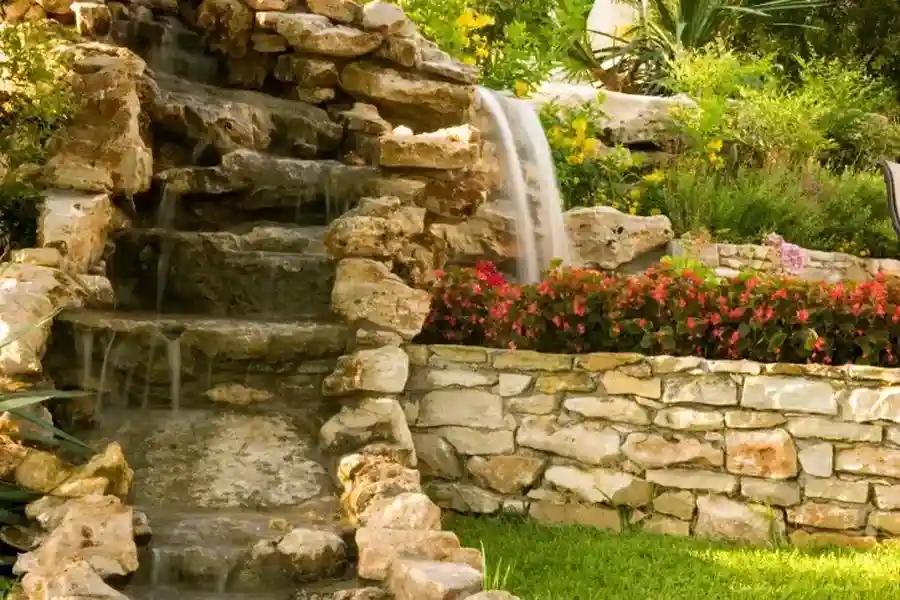
What Retaining Wall Installation Really Means
Retaining wall installation is the process of designing and building a wall that resists the pressure of soil behind it. This pressure is called lateral force. Without proper support, soil can shift, especially after heavy rain.
These walls are common in landscaping projects where yards have slopes. They create flat areas for patios, gardens, or driveways. They also help control water runoff and prevent damage to foundations.
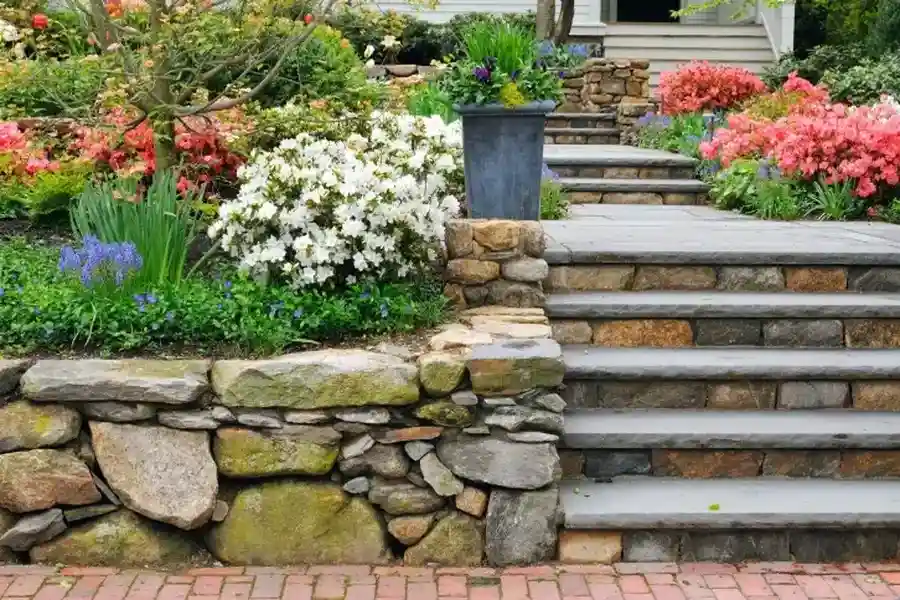
What You Need Before Starting
Before beginning retaining wall installation, you need a clear plan. Not all walls are the same. The size, height, and soil type all matter.
- Check local building rules and permits
- Test the soil type and drainage
- Measure the length and planned height
- Choose the right material such as concrete blocks, stone, or timber
- Plan for drainage behind the wall
Drainage is one of the most important parts. Water buildup behind a wall can cause failure. Gravel backfill and drainage pipes help move water away.
Step-by-Step Retaining Wall Installation Process
Every project is different, but most follow the same basic steps.
-
Excavate the area and dig a trench for the base.
-
Add a compacted gravel base for stability.
-
Level the first row of blocks or stones carefully.
-
Stack additional rows while checking alignment.
-
Add drainage material behind the wall.
-
Backfill with soil and compact in layers.
The first row is the most important. If it is not level, the entire wall may lean. Taking time here prevents problems later.
Common Mistakes to Avoid
Many wall failures come from simple errors. Knowing what to avoid can save time and money.
- Poor drainage behind the wall
- Skipping the gravel base
- Building too tall without support
- Not compacting soil in layers
- Ignoring slope and soil pressure
Another mistake is choosing the wrong material for the job. Timber may work for small garden walls but not for tall load-bearing structures. Matching the material to the site conditions is key.
When to Call a Professional
Small garden walls under a few feet tall may be manageable for experienced homeowners. Taller walls or walls that support driveways need expert planning.
If your project involves heavy slopes, clay soil, or water pooling, professional help is wise. Structural walls often require engineering design. This protects your property and keeps the wall safe.
Working with a crew experienced in retaining wall installation also saves time. They have the right tools and understand how soil behaves under pressure.
Final Thoughts and Next Steps
Retaining wall installation is about more than stacking blocks. It is about managing soil, water, and weight safely. A strong base, proper drainage, and careful planning all matter. Whether you want to level your yard, prevent erosion, or improve your landscape design, understanding these basics helps you make smart decisions before building.
Get Help With Your Project
If you are planning retaining wall installation in Knoxville, TN, we are ready to help. Our team at GTO Concrete Cowboys designs and builds walls that are strong and built to last. We take time to review your property, explain your options, and handle the work from start to finish. Call us at (865) 323-1162 to talk about your project and schedule a consultation.